
Grow a Garden 2 Pets Guide
English
Updated June 22, 2026
Pets are the trophies of Grow a Garden 2. They give your farm passive bonuses, they're the centerpiece of trading, and the rarest ones are genuinely some of the hardest items to own in the entire game. This guide explains how pets work, what Big, Mega and Rainbow actually mean, and how we measure rarity as a simple "1 in N" number.
What pets do
Pets are companions you hatch and then equip. Each one provides a passive perk that helps your economy — common effects include faster crop growth, bonus harvests, improved mutation luck and similar boosts. Because the perks stack with your gear and seed choices, a strong pet lineup quietly multiplies everything else you do. The best pets are both a flex and a real advantage.
How to get pets
Pets come from eggs. You acquire an egg, wait for it to hatch, and receive a pet from that egg's possible pool. Better eggs roll from a rarer pool, but there's randomness at every step: which species you get, how big it is, and whether it's a Rainbow are all part of the gamble. That layered RNG is exactly why the top-end pets are so scarce.
Sizes: normal, Big and Mega
Every pet has a size. The three you'll see are:
- Normal — the standard size, by far the most common.
- Big — a larger, rarer roll of the same species.
- Mega — the largest tier, and the rarest. (In the game's data this top size is labelled differently, but it's shown to players as "Mega" everywhere, including on our index.)
Size is independent of species rarity, so size stacks on top of how rare the animal already is. A Mega version of an already-rare species is dramatically harder to obtain than the normal version.
Rainbow variants
On top of size, any pet can roll as a Rainbow variant — a shimmering recolor that's much rarer than its plain counterpart. Rainbow stacks with size, which is where the truly legendary combinations come from: a Mega Rainbow of a top-tier species is the rarest thing a pet can be.
Rarity tiers
Each species sits in a rarity tier that describes how hard the base animal is to pull. From most common to rarest, the tiers are:
- Common — everyday pets (for example, Bunny and Frog).
- Uncommon — a step up (for example, Owl).
- Rare — noticeably scarcer (for example, Deer).
- Legendary — prized pulls (for example, Bee and Robin).
- Mythic — very rare (for example, Unicorn, Monkey, Bear).
- Super — the top tier (for example, Raccoon, Ice Serpent).
Your true odds for a specific pet combine three things: the species tier, the size (Big/Mega) and whether it's Rainbow. Multiply those together and you get the eye-watering rarity of the headline combos.
How we measure rarity: "1 in N"
On the rarest pets index we turn rarity into one easy number: 1 in N, meaning roughly how many gardeners you'd have to look through to find one person who owns that exact pet.
The method is straightforward. We start from real census data — snapshots of how many of each pet variant actually exist across players — and divide the game's player base (we assume roughly 50 million unique gardeners) by that count. If a variant exists on, say, 50 accounts out of 50 million, that's about "1 in a million." We round every figure to two significant digits so the numbers stay clean and clearly approximate rather than implying false precision.
The index only lists pets rarer than about 1 in 100,000. Anything more common than that isn't really a "rarest pet," so it's left off to keep the list meaningful.
The rarest pets right now
The very top of the list is brutal. Combinations like the Mega Rainbow Bee sit at just a single confirmed copy in existence, with Mega Unicorn and Mega Raccoon not far behind. Because these counts come from live data, the order shifts as new pets are hatched and fresh snapshots come in — so the rarest pets index is the place to check the current standings rather than memorizing a static list.
Every pet & its passive
Each pet brings a passive that helps your farm. Here's every current pet with its rarity, shop price and what it does:
| Pet | Rarity | Sheckles | Passive |
|---|---|---|---|
 Raccoon Raccoon | Super | 15,000,000 | Sneaks out at night to steal fruit from unlocked gardens and raises your steal limit by +25. |
 Ice Serpent Ice Serpent | Super | — | Unknown |
 Unicorn Unicorn | Mythic | 12,000,000 | Trots around your garden and doubles the chance for plants and fruit to turn Rainbow. |
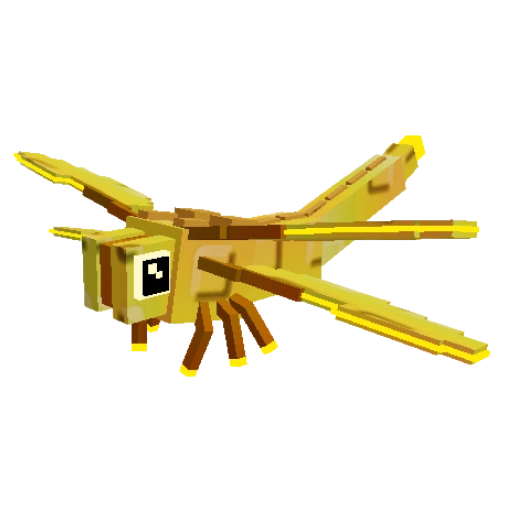 Golden Dragonfly Golden Dragonfly | Mythic | 9,000,000 | Flies around your garden and doubles the chance for plants and fruit to turn Gold. |
 Bear Bear | Mythic | 5,000,000 | Defends your garden by tackling intruders, pinning them down, then throwing them away. |
 Monkey Monkey | Mythic | 3,000,000 | Swings around your garden and occasionally picks ripe fruit and brings it straight to you. |
 Bee Bee | Legendary | 1,000,000 | Patrols your garden and swarms intruders to defend your fruit. |
 Robin Robin | Legendary | 75,000 | Flies around your garden eating ripe fruit and sometimes drops seeds. |
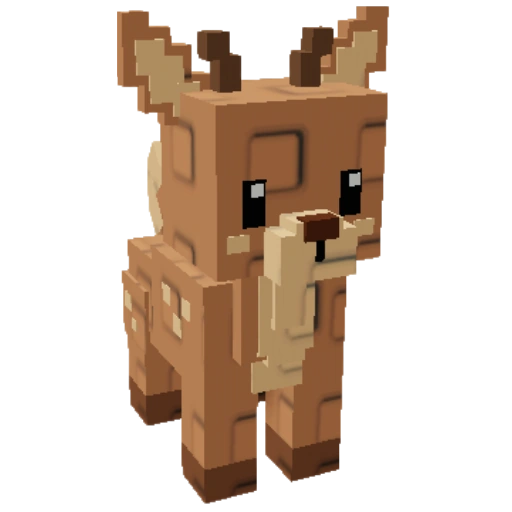 Deer Deer | Rare | 50,000 | Trots around your garden and helps plants grow 10% faster. |
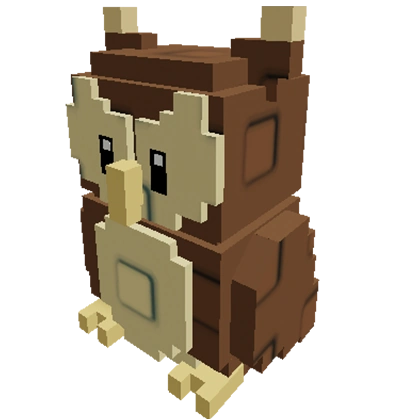 Owl Owl | Uncommon | 25,000 | Extends your view distance by 12.5% at night and hoots loudly when a rare pet spawns. |
 Bunny Bunny | Common | 20,000 | Hops around your garden and boosts your walk speed by +5. |
 Frog Frog | Common | 10,000 | Hops around your garden and boosts your jump height by +5. |
Tips for chasing rare pets
- Hatch volume matters. Every layer of RNG (species, size, Rainbow) is a separate roll, so more eggs simply means more chances at a great combo.
- Keep your economy strong. Rare eggs cost real Sheckles — the better your farm runs (see the beginner's guide), the more you can gamble on eggs.
- Hold, don't dump. If you pull a Big, Mega or Rainbow pet, think before trading it away — scarcity at the top end only goes up over time.
- Track the meta. Use the rarest pets index to know what's actually valuable before you accept or offer a trade.
Keep going
New to the game? Start with the beginner's guide. Want to optimize your income so you can afford more eggs? The seed restock guide shows how to time the shop. And for the full, ever-growing catalog of species and stats, the community Grow a Garden 2 Wiki is a great companion to this page.